Post Body Changes After Cholecystectomy

My Story
Life After Gallbladder was created from my own experience.
16 years
of learning, adapting and figuring it out
When I had my gallbladder removed, I was told two things: that I did not need my gallbladder and very little about how losing it could affect my life afterwards.
I had no real support and no clear roadmap for what came next. I had to start my journey on my own, learning to understand what my body was telling me and figuring out how to feel better.
That journey started 16 years ago.
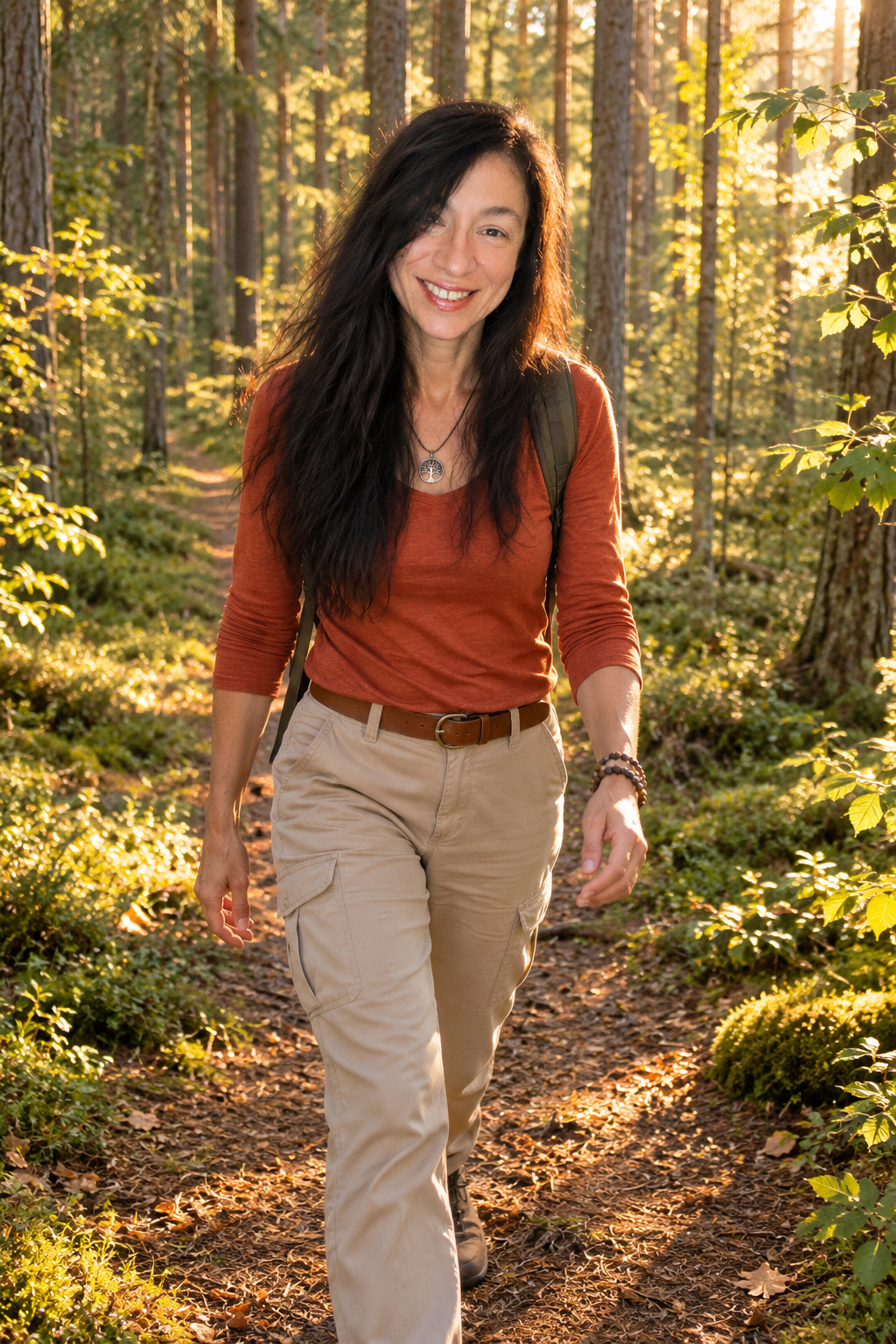
Over those years, I learned to listen to my body. I started writing down everything I was eating, how I was feeling, my emotions, and how my body responded. Slowly, I began to see patterns and understand what worked for me and what did not.
I changed my eating habits, experimented with different foods and ingredients, and started creating my own recipes to help alleviate bloating and digestive discomfort. It became less about following someone else's rules and more about learning what my own body needed.
I also explored a more holistic approach to my wellbeing, including aromatherapy, crystal healing, Reiki, chakra balancing, and orthomolecular therapy. These became part of my personal journey and the different approaches I explored while trying to understand my body and feel better.
After 16 years of learning through my own experience, I am now sharing what I have discovered with people who may be going through the same thing — especially those who feel confused, unsupported, or unable to find answers.
Everything here is based on my own experience and what has worked for me. That includes the nutritional information, foods, recipes, habits, and approaches I personally found helpful.
What works for me may not work for you. Every body is different. But if you are struggling to find your way after gallbladder removal, perhaps something here will give you a place to start — and maybe help you start feeling better, too.
Join the community and share your story.
Your experience might be the answer someone else has been looking for.
THE JOURNEY
You don’t have to figure it all out at once.
One of the biggest lessons I learned after my cholecystectomy was that there wasn’t a simple rulebook waiting for me. I had to pay attention, experiment, and learn how my own body responded.
I started keeping track of what I ate, how much I ate, how I felt afterwards, my energy, my digestion, and even my emotions. Over time, those observations helped me recognise patterns that I would never have noticed otherwise.
What helped me was not finding a perfect diet. It was learning to listen to my body.
That is the approach I want to share here. Not a list of impossible rules or promises that one solution will work for everyone, but practical ideas you can explore and adapt as you discover what works for you.
Your experience will be your own. My goal is simply to share my personal experience, and wish someone had explained to me the changes before cholecystectomy.
WHAT TO EXPECT AFTER CHOLECYSTECTOMY
Food
Can I eat normally again?
Digestion
Why does my digestion feel different?
Recovery
How long does it take to adjust?
Symptoms
What symptoms should I pay attention to?
FOOD SCIENCE
Your gallbladder is gone, but your body is still a complex machine. This section isn't about rigid dieting; it's about understanding the food science of digestion without a gallbladder. Learn how bile flow, gut bacteria, and fat breakdown actually work, then use that knowledge to observe, track, and listen to your unique body. When you understand the mechanics, you stop guessing and start thriving.
Holistic Support
Holistic Therapies: My Journey to Recovery
After my post cholecystectomy journey, I discovered that healing the body often requires more than just medical treatment. My experience with holistic therapies was transformative, offering a gentle yet powerful support system that helped me regain my strength and balance.
While standard medicine addresses the disease, these therapies helped me address the person behind it. Every body is different, and what resonated with me may resonate differently with you. My hope is that sharing these practices offers you comfort, curiosity, and a few new tools to explore on your own path.
One of the first therapies I embraced was acupuncture, a cornerstone of Traditional Chinese Medicine (TCM) dating back thousands of years. At its core, acupuncture involves the insertion of extremely thin, sterile needles into specific points on the body. Practitioners believe this stimulates the flow of qi (vital energy) along pathways known as meridians, restoring balance to the body's natural rhythms.
After gallbladder surgery, the digestive system can feel unsettled for a long time. Nausea, bloating, abdominal tension, disrupted bowel patterns, and even anxiety around eating are common. Acupuncture became a gentle ally for me. Sessions often left me feeling deeply relaxed, and over time I noticed my abdomen felt less tense and my overall sense of wellbeing improved.
Research suggests acupuncture may help reduce post-operative nausea, support bowel motility, ease abdominal discomfort, and calm the nervous system. For anyone recovering from cholecystectomy, that combination can be incredibly supportive. It does not replace medical care, but it can be a beautiful complement to it.
If you are curious, look for a licensed practitioner who makes you feel safe and heard. Your first session may feel unusual, but many people find it surprisingly calming.
Aromatherapy uses pure plant essential oils to support the body and mind through scent. It is one of the simplest holistic practices to begin at home, and I found it deeply comforting during moments of anxiety, nausea, or low energy after surgery.
Peppermint and ginger oils became my go-to companions for digestive discomfort. A single drop diluted in carrier oil, massaged gently over the upper abdomen, or simply inhaled from a tissue, often brought a sense of relief. Lavender and chamomile helped me wind down in the evenings when my nervous system felt wired.
Because stress and digestion are so closely linked, anything that soothes the mind can indirectly support the gut. Aromatherapy is not a cure, but it is a lovely, low-risk way to create small rituals of comfort during recovery.
Always dilute essential oils before applying to skin, choose high-quality oils, and avoid ingestion unless guided by a qualified professional.
Chakra balancing comes from ancient Indian traditions and focuses on the body's energy centres. Each chakra is thought to relate to different physical, emotional, and spiritual aspects of our lives. After surgery, I felt disconnected from my body, and chakra work helped me feel whole again.
The solar plexus chakra, located around the upper abdomen, is particularly relevant after gallbladder removal. It is associated with digestion, personal power, and confidence. When this area feels blocked, we may experience anxiety, low self-trust, or digestive unease.
Through gentle visualisation, meditation, colour breathing, and sound, I began to reconnect with this part of my body without fear. It became less about fixing something and more about listening with compassion.
Chakra balancing is a deeply personal practice. Whether you work with a practitioner or explore it alone, it can offer a sense of calm, grounding, and renewed trust in your body's ability to heal.
Crystal healing is a gentle, intuitive practice that uses stones and crystals to promote a sense of balance and wellbeing. While science does not confirm that crystals themselves heal physical conditions, I found them incredibly soothing as part of my recovery toolkit.
Holding a smooth stone during a difficult day gave my hands something grounding to focus on. Placing calming stones such as amethyst, rose quartz, or citrine near my bed or on my abdomen during rest became a quiet ritual of self-care.
For me, the value of crystal healing was not in the stone itself, but in the intention it helped me set. It reminded me to slow down, breathe, and treat my body with kindness rather than frustration.
If crystals call to you, treat them as a comfort practice rather than a medical treatment. Pair them with rest, good nutrition, and professional support.
Feng Shui is the ancient Chinese art of arranging spaces to support harmony, flow, and wellbeing. After my surgery, I noticed how much my environment affected my stress levels, sleep, and digestion. A cluttered, chaotic room often mirrored how I felt inside.
I began with small changes: clearing my bedside table, adding soft lighting, removing items that felt heavy or unused, and introducing gentle colours and natural materials. I placed my bed so I could see the door, which created an immediate sense of safety.
The kitchen also became important. Keeping it clean, organised, and filled with foods that felt nourishing made cooking feel less overwhelming. When your home supports calm, your nervous system has more room to rest, and rest is essential for healing.
You do not need to follow strict Feng Shui rules. Start with one corner, one drawer, or one room. Let the process feel light and supportive rather than like another task on your list.
Massage therapy was one of the most grounding parts of my recovery. After surgery, the abdomen can hold tension, scar tissue can feel tight, and the whole body may feel as though it has been through a shock. Therapeutic touch helped me feel safe in my body again.
A gentle abdominal massage, once cleared by a doctor, can support circulation and help the digestive system feel more at ease. I also found that back, neck, and shoulder massages relieved the tension I carried from stress and changed posture during recovery.
Beyond the physical benefits, massage gave me permission to rest. It was an hour where someone else was caring for me, which can be deeply healing when you have spent months pushing through discomfort alone.
Always tell your massage therapist about your surgery and any symptoms. Choose a gentle approach, especially in the early months, and avoid deep abdominal work until you have medical clearance.
Reiki is a Japanese energy healing technique in which a practitioner gently places their hands on or just above the body to channel a sense of calm and balance. It is non-invasive, deeply relaxing, and can be a wonderful support during recovery.
After my cholecystectomy, I often felt as though my energy was scattered. Reiki sessions helped me feel centred, warm, and held. Many people report reduced anxiety, better sleep, and a greater sense of peace after Reiki, which can indirectly support digestion and overall recovery.
I particularly appreciated that Reiki required nothing from me. I could simply lie down, breathe, and receive. On days when my body felt exhausted, that gentleness was exactly what I needed.
Reiki is a complementary practice, not a replacement for medical treatment. If you are open to energy work, seek a certified practitioner and notice how your body responds.
These therapies are shared from my personal experience and are not intended as medical advice. Always consult your healthcare provider before beginning any new treatment, especially after surgery.
Life After Gallbladder provides educational information and is not a substitute for personalized medical advice, diagnosis, or treatment. If you have concerns about your symptoms, recovery, or health, speak with a qualified healthcare professional.